ADULIS ancient hub of the Red Sea
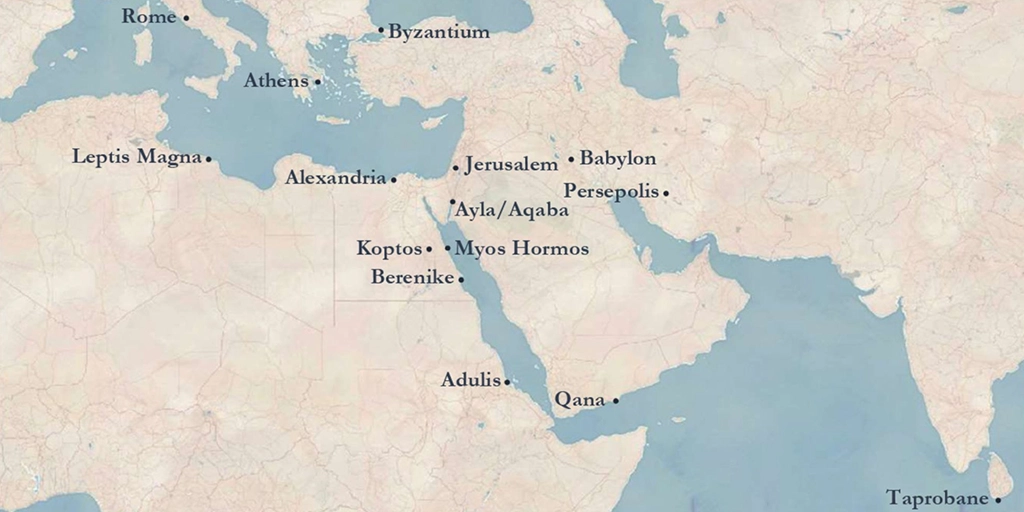
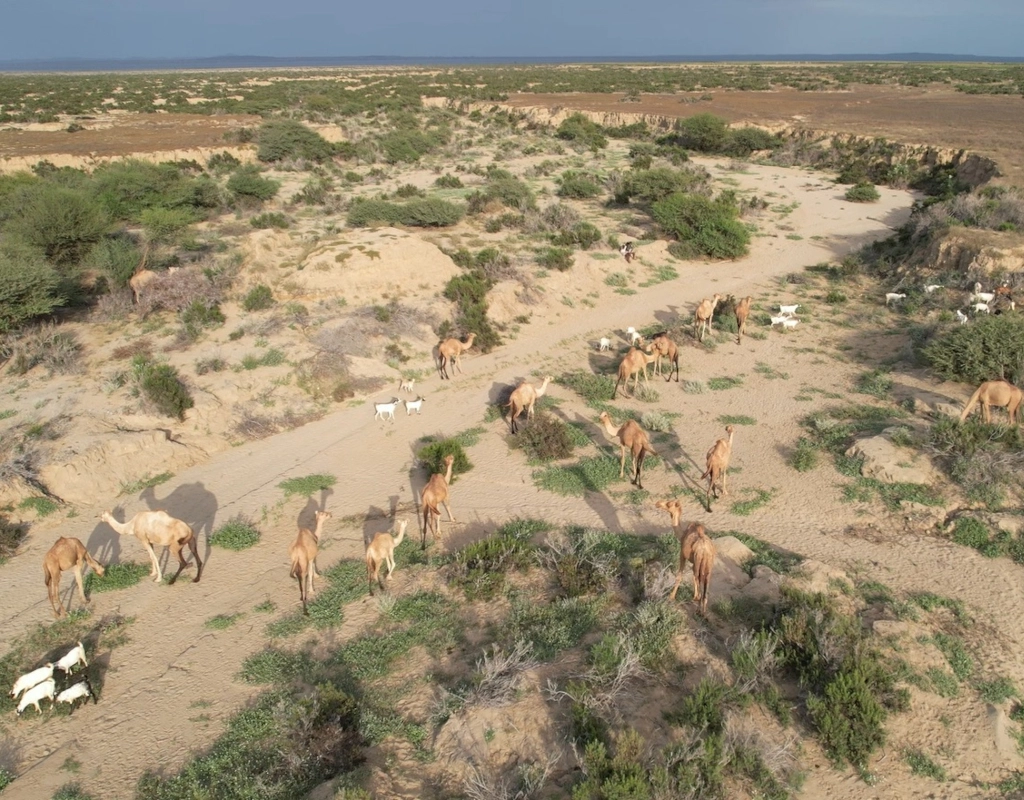
The site of Adulis is located on the south-western shore of the Red Sea, in the bay of Zula, about 50 km south of Massawa. In antiquity the area was part of the land of the Ethiopians or Indians, a designation which in the sources indicates a vast area, generally comprising all the territories south of Egypt and the Nile.
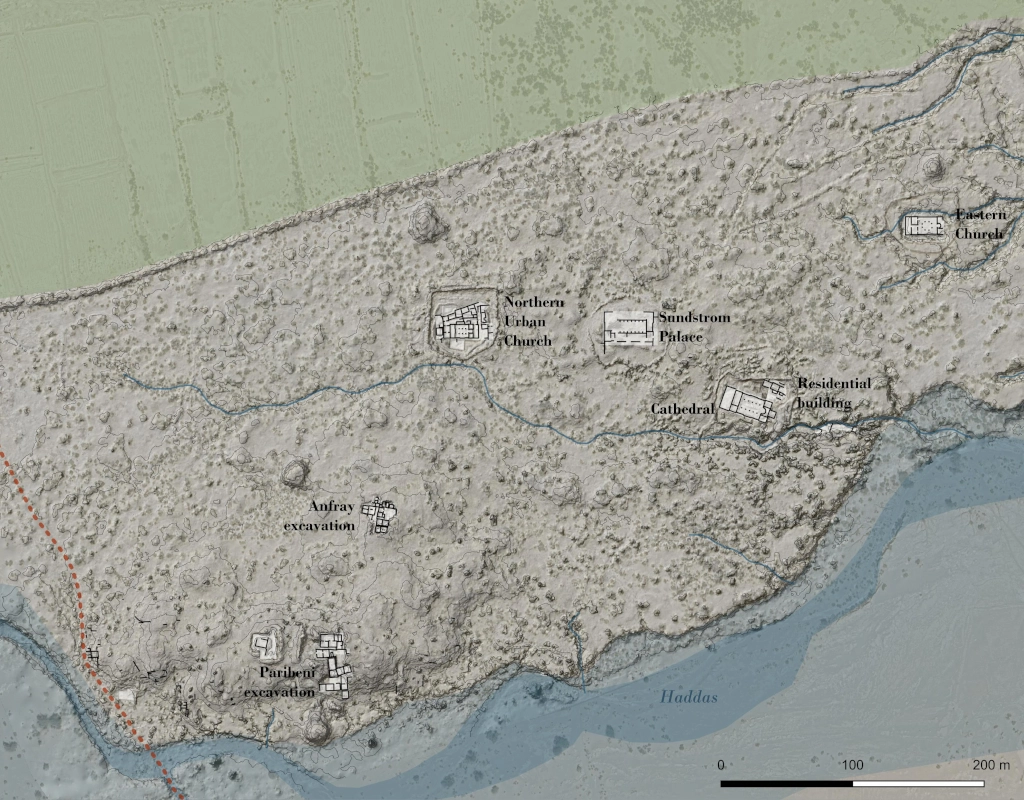
The geographic location of the site, at the connection of international maritime and regional terrestrial routes, was the key factor for the flourishing of Adulis, the preeminent port town of the Horn of Africa in antiquity. Equally favourable was the position of the settlement at the confluence of two rivers, the Haddas and the Alighede, with extensive arable land all around and close resources like stone quarries, obsidian and salt deposits.
The commercial vocation of Adulis was probably already active in the Pharaonic era, at least starting from the Old Kingdom (2650-2150 BC), as part of the Land of Punt, the region where the Pharaos sought after precious and exotic items not available in the Egyptian territory.
Later, Pliny the Elder informs us about the town of the Adulitae, where “large quantities of ivory, rhinoceros horn, hippopotamus skins, tortoise shells, monkeys and slaves are brought”.
The Peryplus Maris Erythraei, a handbook for merchants trading between Roman Egypt, Eastern Africa, Arabia and India, contemporary to Pliny, lists the goods available in the “legal emporium” of Adulis: in addition to African ivory, tortoise shells and rhinoceros horn, Mediterranean olive oil, wine, wheat, clothing, tools, bronze vessels, glass, iron.
From Adulis, the luxury items were shipped to the northern ports of the Red Sea, then transported by caravans to Alexandria of Egypt, gate to the Mediterranean. Another caravan route supplied the Aksumite court, reaching its capital, Aksum, through steep valleys starting from the river Haddas.
The richness of the Aksumite Kingdom, counted among the four major powers of the world alongside Roma, Persia and probably Sri Lanka by prophet Mani (3rd century AD), relied in greater part on the long distance net of commercial and cultural exchanges achieved through Adulis, which in Aksumite time developed into a magnificent urban center.
In the 7th century AD a natural catastrophe, a flood and probably seismic events, destroyed Adulis and determined the isolation of Aksum from the sea, shortly after exasperated by the Arab conquest.
Adulis, submerged by sand and silt, disappeared for a long period of silence from the pages of History.
The rediscovery of the ancient town ruins is described in the reports of travellers, scientists and military who, since the early nineteenth century, visited the region for different purposes.
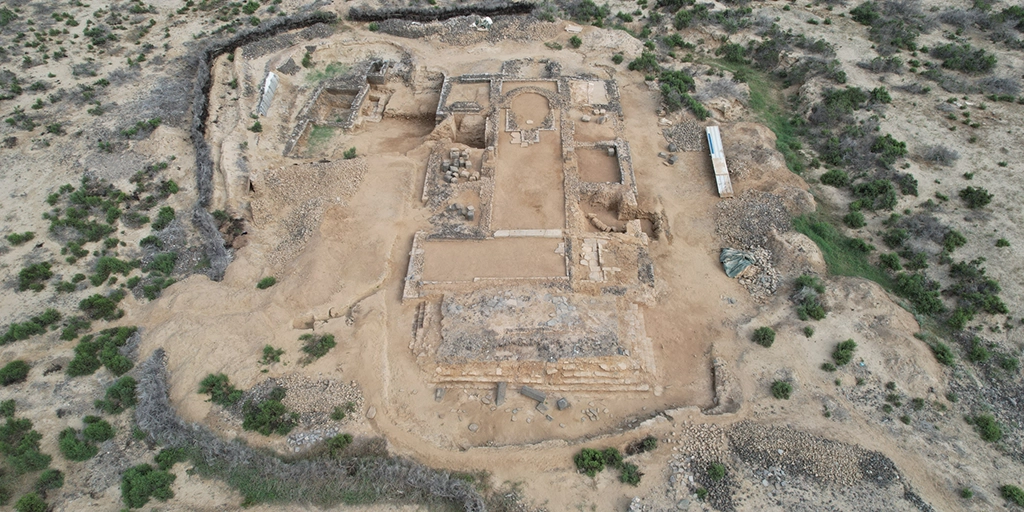
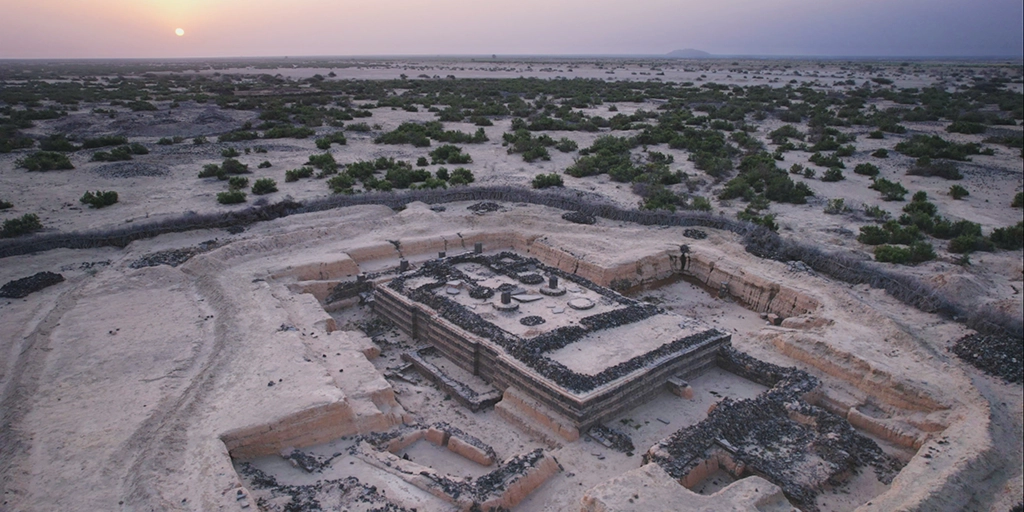
An extensive excavation campaign was carried out by Roberto Paribeni in 1906, who discovered the remains of the earlier settlement, characterised by huts, dating back to the 2nd millennium BC, monuments, houses, productive and funerary areas of later chronological phases, mainly documenting the period between the 4th-7th century AD.
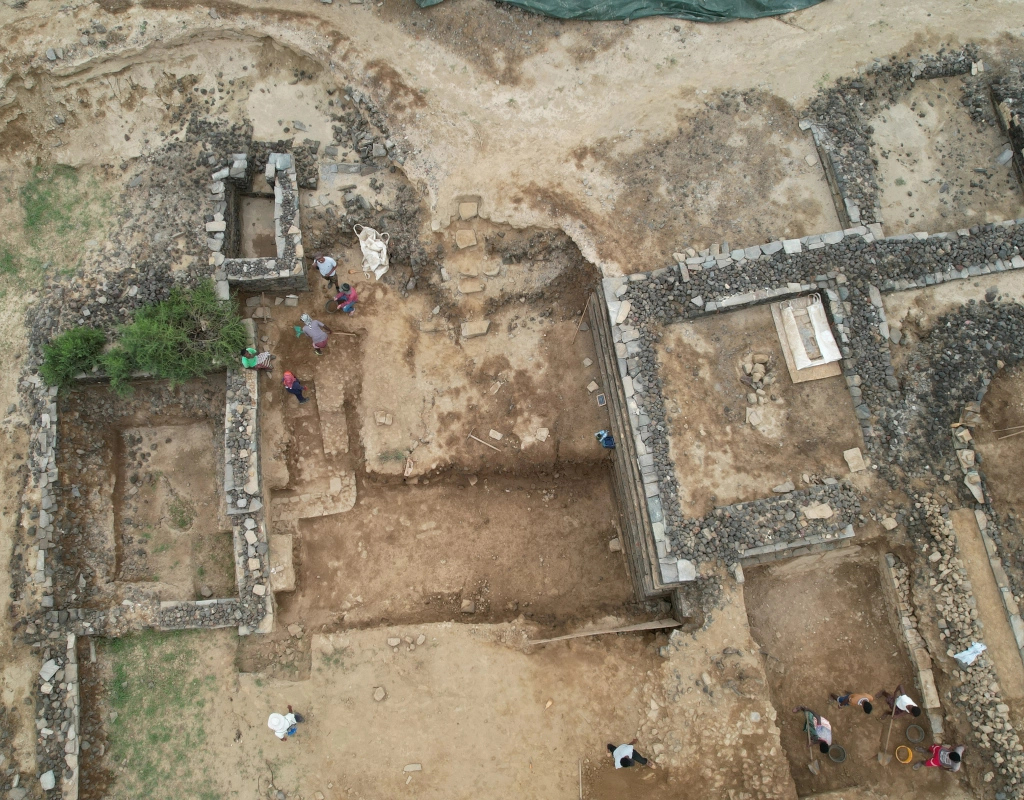
In 1961-62 archaeological research was carried out by the Institut Ethiopien d’Archeologie directed by Francis Anfray. Trenches were opened in the western sector of the town, revealing rooms pertinent to different chronological phases, still visible today.
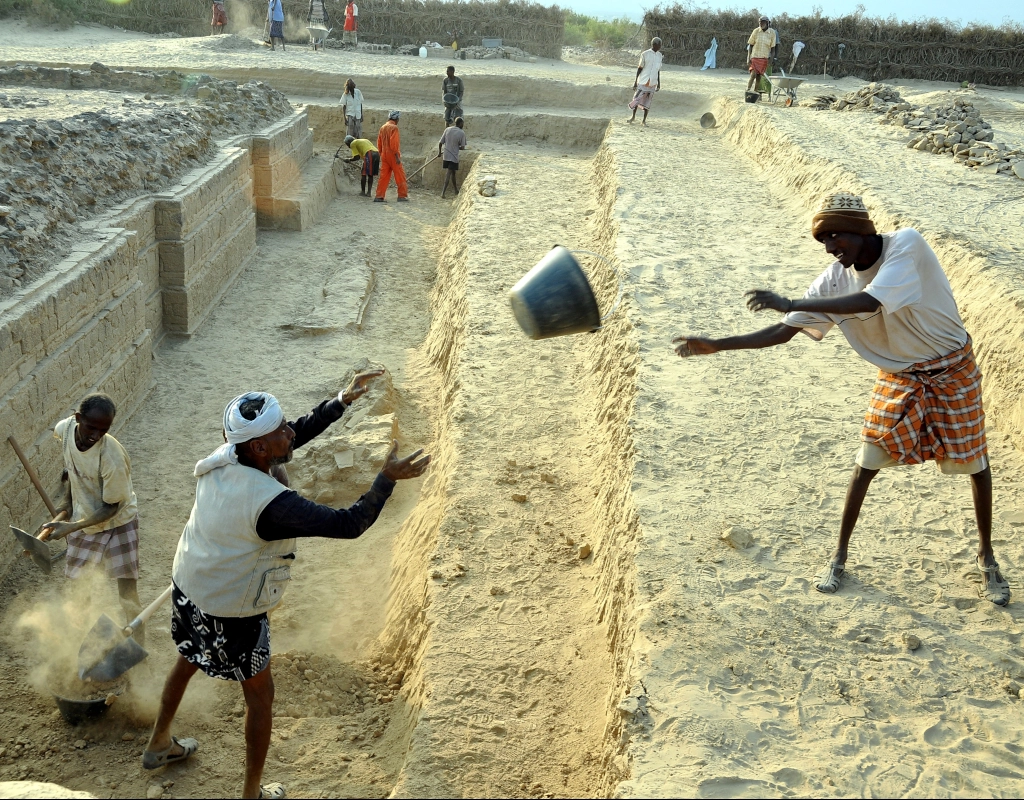
Since 2011 the new Eritrean-Italian joint project is active, aimed at the rediscovery, study and valorisation of the archaeological remains of the town, even with the intent to create the first archaeological park in Sub-Saharan Africa. The project is directed by the Commission of Culture and Sports of Eritrea and by the Research Center on Eastern Desert, with the collaboration of Università Cattolica di Milano and Politecnico di Milano (former collaborations with Università degli Studi di Napoli L’Orientale, Museo Civico di Rovereto, Centro di GeoTecnocogie di Siena, Università degli Studi dell’Insubria, Pontificio Istituto di Archeologia Cristiana).